
Fuel Your Performance with Smart Nutrition
Discover the science-backed strategies behind optimal pre-workout and post-workout meals. Learn how proper nutrition timing and macronutrient balance can transform your fitness results and recovery.
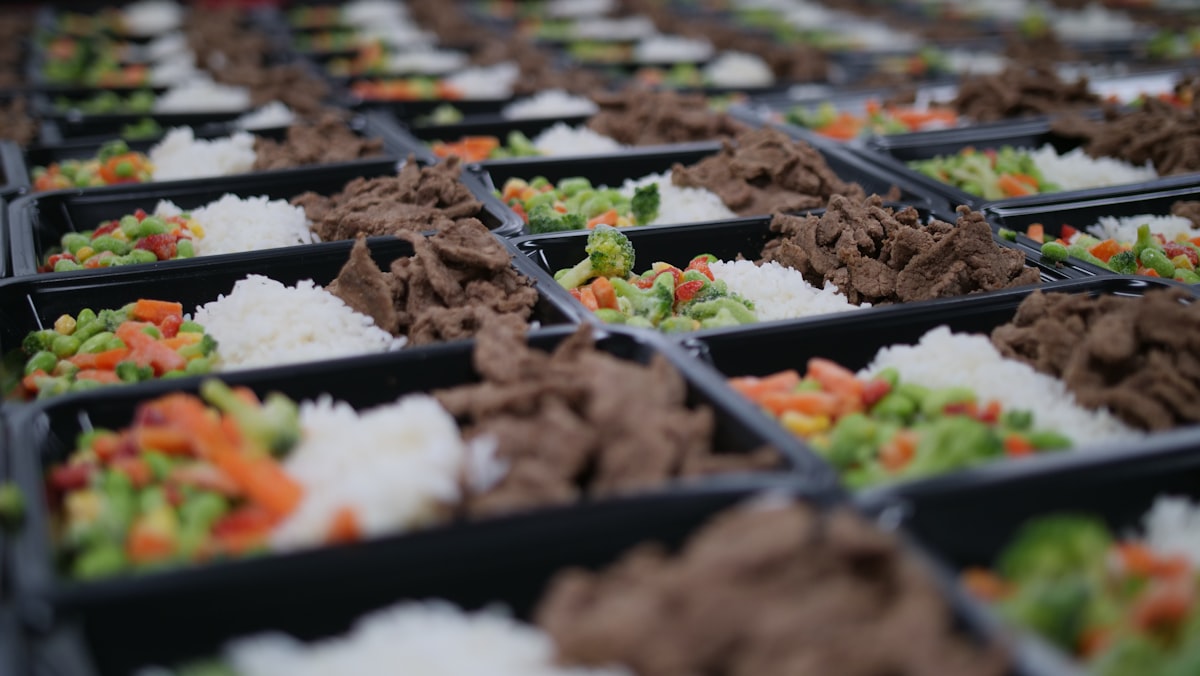
Why Meal Timing Matters
Your body's nutritional needs shift throughout your training day. Strategic meal planning before and after exercise can enhance performance, accelerate muscle recovery, and optimize your training results. This is the foundation of athletic nutrition that separates casual exercisers from serious performers.
Pre-Workout Fueling
Learn which macronutrients to consume before training to maximize energy, endurance, and focus. Discover timing strategies that prevent bloating while delivering sustained fuel for your workout.
Recovery Nutrition
Understand the critical post-workout window where your muscles are primed to rebuild stronger. Explore protein sources, carbohydrate ratios, and supplementation strategies proven to enhance recovery.
Science-Backed Results
Explore research-driven insights into how nutrition impacts muscle growth, strength gains, and athletic performance. Get meal plan ideas tailored to your specific training goals.
The 4-Step Meal Prep Workflow
Master the process of planning, preparing, and timing meals for optimal training results.
Assess Your Goals
Identify whether you're focusing on strength, endurance, muscle building, or weight management. Your goal determines your macronutrient priorities.
Plan Your Meals
Design a meal schedule that aligns with your training times. Consider digestion windows and nutrient timing for maximum absorption and performance.
Prepare Your Food
Batch cook proteins, prepare complex carbs, and portion vegetables. Proper preparation ensures you have nutritious options available when timing demands.
Monitor and Adjust
Track how different meals affect your energy, performance, and recovery. Make evidence-based adjustments to optimize your nutrition strategy over time.
Pre-Workout Meal Science Explained
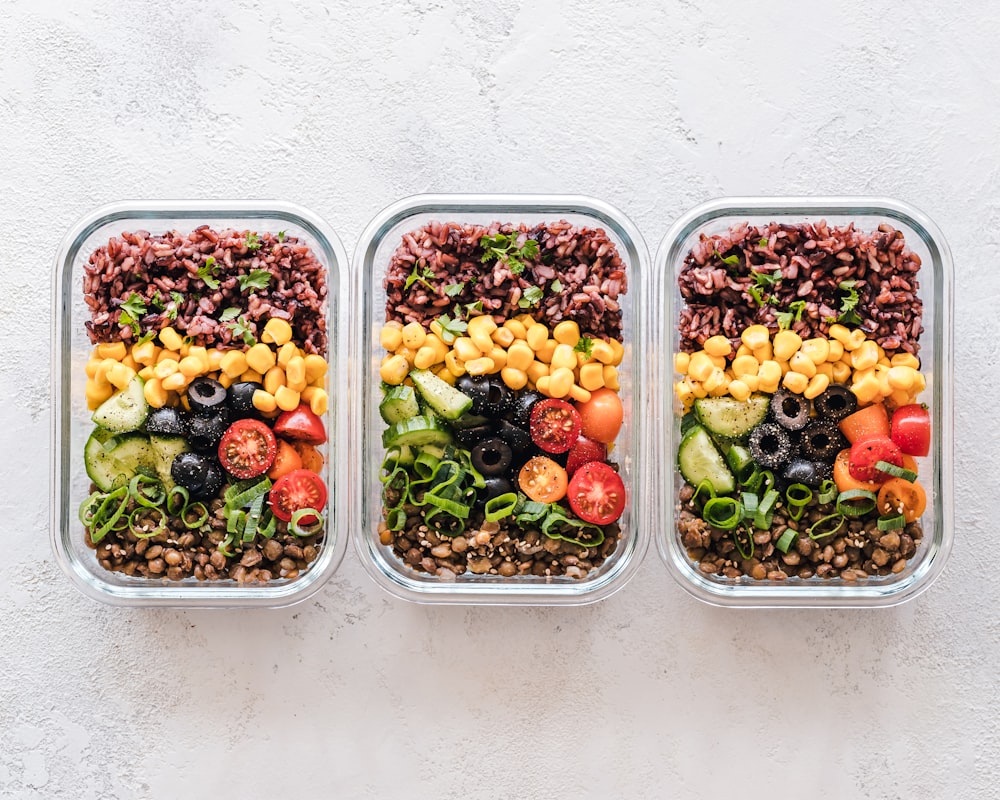
The pre-workout meal is your body's primary fuel source for training intensity and mental focus. Consumed 30-90 minutes before exercise, the right combination of nutrients provides sustained energy without causing digestive discomfort.
Carbohydrate Priority
Fast-digesting carbs (rice, oats, banana) provide immediate glucose for muscle glycogen. Complex carbs offer sustained energy for longer training sessions.
Moderate Protein
Include 15-30g of easily digestible protein like chicken breast, eggs, or whey to prevent muscle breakdown and maintain amino acid availability during training.
Minimal Fat and Fiber
Limit dietary fat and fiber intake before training to avoid stomach upset. Save heavier meals for post-workout when digestion is less critical.
Post-Workout Recovery Strategy
The post-workout window is when your muscles are most receptive to nutrients. During the first 30-60 minutes after training, muscle protein synthesis is elevated and glycogen depletion is greatest. Strategic nutrition during this window significantly accelerates recovery and muscle adaptation.
Rapid Protein Intake
Consume 30-40g of high-quality protein within 60 minutes post-workout. Whey protein, lean meat, or Greek yogurt maximizes muscle protein synthesis during the recovery window.
Glycogen Replenishment
Pair protein with 0.8-1.2g of carbohydrates per kg of body weight to restore depleted muscle glycogen. This accelerates recovery and improves performance in subsequent training sessions.
Hydration and Electrolytes
Replace lost fluids and electrolytes (sodium, potassium, magnesium) to support cellular recovery and reduce muscle cramping in subsequent training days.
Popular Meal Combinations
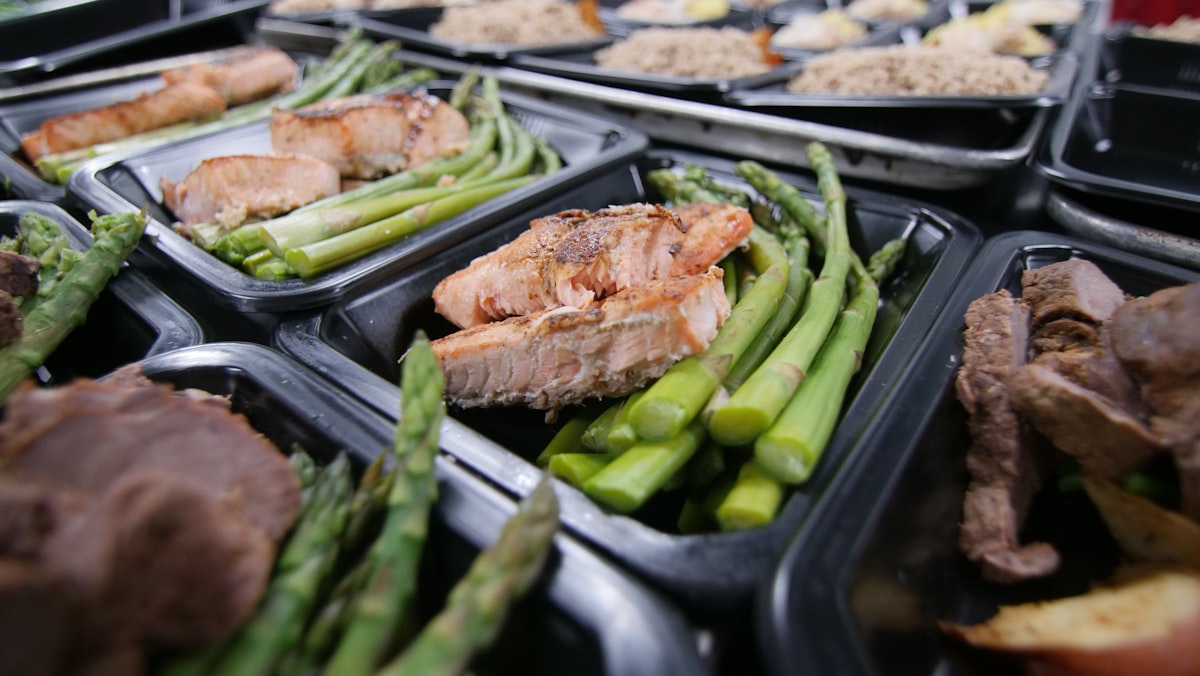
Real-world meal ideas combining optimal macronutrient ratios for pre and post-workout nutrition.
Oatmeal & Banana
A classic pre-workout combination delivering fast and slow-release carbohydrates with natural sugars for immediate energy.
Timing: 45 minutes before training
Carbs: 45g | Protein: 10g | Fat: 3g
Benefit: Sustained energy without digestive stress

Chicken & Sweet Potato
The ultimate post-workout recovery meal combining high-quality protein with nutrient-dense carbohydrates for muscle repair.
Timing: Within 60 minutes post-workout
Carbs: 55g | Protein: 40g | Fat: 8g
Benefit: Maximizes muscle protein synthesis
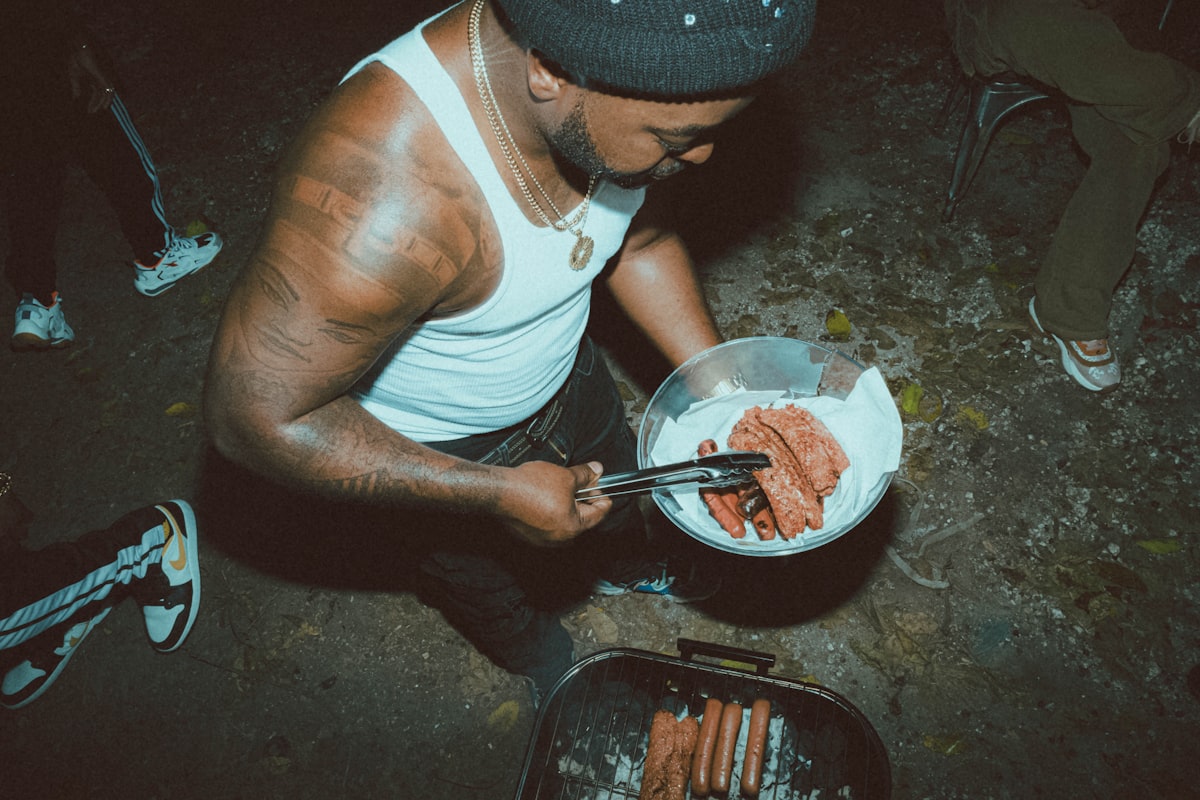
Protein Smoothie
Fast-digesting liquid nutrition perfect for immediate post-workout recovery when whole food isn't convenient.
Timing: Immediately post-workout
Carbs: 45g | Protein: 30g | Fat: 5g
Benefit: Rapid absorption and hydration
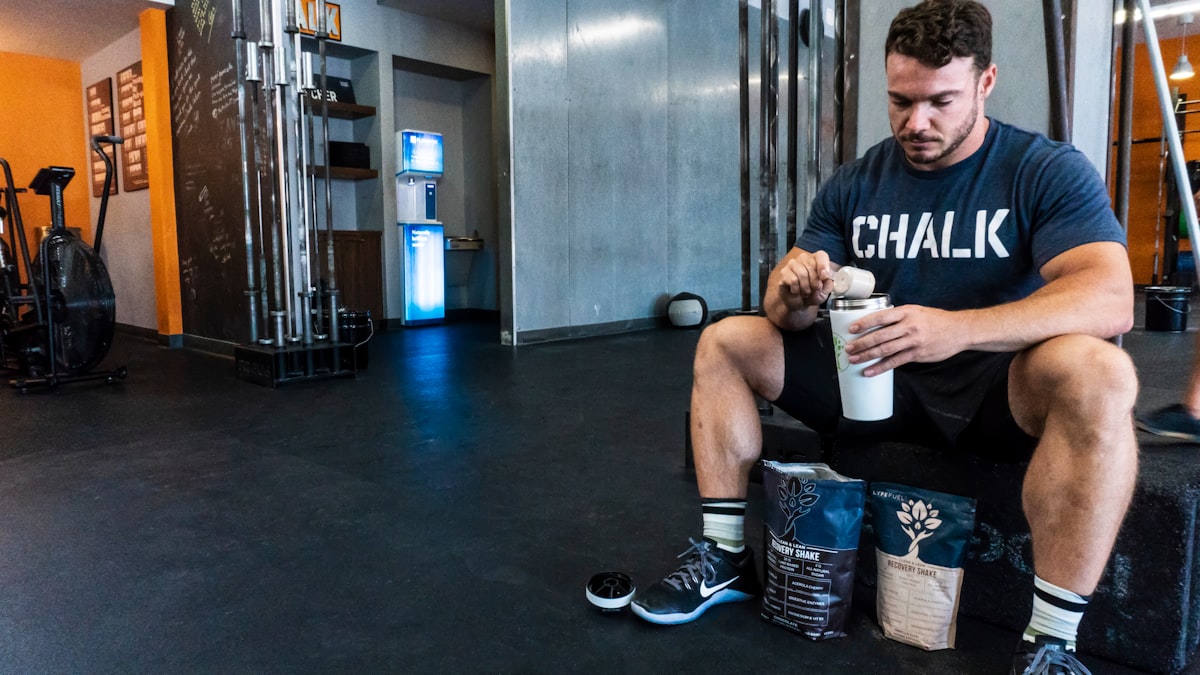
Rice Cakes & Honey
Quick, convenient pre-workout option with highly digestible carbohydrates requiring minimal digestion time.
Timing: 30 minutes before training
Carbs: 50g | Protein: 8g | Fat: 2g
Benefit: Fast energy without bloating

Salmon & Brown Rice
Premium post-workout meal delivering omega-3 fatty acids, complete protein, and complex carbohydrates for comprehensive recovery.
Timing: 45 minutes post-workout
Carbs: 60g | Protein: 35g | Fat: 12g
Benefit: Reduces inflammation and supports muscle synthesis
Greek Yogurt Parfait
Versatile post-workout option combining high protein content with digestible carbs and beneficial probiotics for gut health.
Timing: Within 90 minutes post-workout
Carbs: 35g | Protein: 25g | Fat: 6g
Benefit: Supports digestive recovery alongside muscle repair
What Athletes Say About Our Nutrition Insights
"The detailed pre-workout meal timing strategy completely changed my training performance. I used to feel sluggish in the gym, but after implementing the recommendations from this site, my energy levels are consistently high throughout my entire session. The science-backed approach makes it easy to understand why each recommendation matters."
Marcus Dlamini
Johannesburg
"As a competitive runner, I was struggling with recovery between training sessions. This site's post-workout nutrition framework helped me understand exactly what my body needs after hard workouts. My recovery times have improved dramatically, and I'm seeing better performance gains week to week. Individual results may vary. The meal combination ideas are practical and easy to prepare."
Thembi Khumalo
Cape Town
"I've read countless nutrition articles online, but the quality of information here stands out. The content is thorough, well-researched, and explained in a way that actually makes sense. I've implemented the 4-step meal prep workflow and it's become my standard approach to training nutrition. Highly recommend for anyone serious about their fitness."
David Mthembu
Durban
Frequently Asked Questions
Get answers to the most common questions about pre-workout and post-workout nutrition.
The ideal timing depends on meal size and composition. Large meals (500+ calories) require 2-3 hours for digestion. Medium meals (300-400 calories) need 1-2 hours. Small, easily digestible meals (100-200 calories) can be consumed just 30-45 minutes before training. The key is arriving at the gym with stable energy and an empty enough stomach to avoid discomfort. Experiment with different timing windows to find what works best for your digestive system and training schedule.
The post-workout window is important but not magical. Research shows muscle protein synthesis is elevated for several hours after training, not just 30-60 minutes. However, consuming nutrients within the first hour does optimize recovery velocity and is particularly beneficial before subsequent training sessions. The window extends well beyond the immediate post-workout period, so if you can't eat immediately, don't stress—consuming a quality meal within 2-3 hours still supports strong recovery. Consistency with overall daily nutrition matters more than timing perfection.
Protein powder alone lacks the carbohydrates necessary for optimal pre-workout performance. While protein is essential for preventing muscle breakdown, your muscles primarily require glucose for energy during training. A better approach is combining protein powder with carbohydrate sources—for example, mixing whey protein with oats, banana, or honey. This combination delivers both sustained energy and amino acid availability. Save pure protein supplementation for post-workout when rapid protein absorption matters more than carbohydrate timing.
Fasted training (training without food beforehand) is popular for fat loss but comes with tradeoffs. You'll likely experience reduced strength performance and less intense workout capacity because your muscle glycogen is depleted. If you choose to train fasted, you'll become more dependent on post-workout nutrition for recovery. A compromise is consuming a small, easily digestible meal or drink (100-150 calories) 15-20 minutes before training to preserve performance without disrupting fat loss goals. The best approach depends on your primary fitness goal and individual tolerance.
Research suggests 20-40g of high-quality protein is sufficient to maximize muscle protein synthesis post-workout, with amounts on the higher end (35-40g) beneficial for larger athletes or very intense training sessions. More protein than this in a single meal doesn't produce additional muscle-building benefit. What matters more is total daily protein intake (typically 1.6-2.2g per kg of body weight) distributed across multiple meals. Focus on consuming this post-workout protein alongside adequate carbohydrates rather than consuming excessive protein amounts in one sitting.
Stay Updated with Nutrition Science
Subscribe to our email updates and receive the latest articles, research summaries, and meal planning strategies delivered directly to your inbox.
We respect your privacy. Unsubscribe at any time.
About Proteinpowertips
We are an editorial platform dedicated to delivering science-backed nutritional guidance for athletes and fitness enthusiasts. Our mission is to demystify the complex relationship between food timing, macronutrient ratios, and athletic performance. We translate cutting-edge sports nutrition research into practical, actionable strategies you can implement immediately.
Our Editorial Approach
Every article on our platform is researched thoroughly and grounded in published sports science literature. We examine actual training protocols, real athlete experiences, and evidence-based nutrition principles—not trends or unsubstantiated claims. Our editorial team reviews emerging research regularly to ensure our content remains current and accurate.
Research-Driven Content
All recommendations backed by scientific literature and athlete case studies
Practical Application
Articles focused on real-world implementation, not theoretical nutrition concepts
Community Focused
Built for athletes at all levels—from gym beginners to competitive competitors
Our Location & Contact
Based in South Africa, we serve fitness enthusiasts and athletes across the continent and beyond. If you have feedback about our content, article suggestions, or questions about our editorial approach, we'd love to hear from you.
Address
Long Street 174, Durban